
-
Anti-Slavery and Human Trafficking
-
Diversity and Inclusion
-
Principles and Commitments on Corruption
-
Complaint Handling
-
Supplier Code of Conduct
-
Responsible Procurement, Ethics, Environment, and Sustainability
-
Donations and Funding
-
Sustainable Investment Policy
-
Public Uploading of Documents
-
EOMS Policy
Anti-Slavery and Human Trafficking
PURPOSE
This policy establishes the University of Baguio’s zero-tolerance commitment against all forms of modern slavery, human trafficking, forced labor, debt bondage, child labor, and any practices similar to slavery. It sets out the University’s institutional obligations to prevent, detect, and respond to these violations in its own operations, supply chains, academic activities, and community engagements, consistent with applicable Philippine laws and relevant international instruments ratified by the Republic of the Philippines.
SCOPE
This policy applies, without exception, to all members of the University community, including:
(a) all University officers, administrators, faculty members, and non-teaching personnel, whether regular, probationary, contractual, or part-time;
(b) all enrolled students of the University of Baguio;
(c) all contractors, consultants, service providers, and suppliers engaged by the University;
(d) all institutional partners, memorandum of agreement (MOA) signatories, and affiliate organizations;
(e) all activities conducted under the auspices of the University, whether on-campus, off-campus, online, or in community extension sites including those in the Cordillera Administrative Region; and
(f) all supply chains and procurement activities of the University.
DEFINITION OF TERMS
1. Modern Slavery – An umbrella term encompassing human trafficking, forced labor, debt bondage, forced marriage, and any severe exploitation where a person cannot refuse or leave due to threats, violence, coercion, or deception.
2. Human Trafficking – The recruitment, transportation, transfer, harboring, or receipt of persons by means of threat, force, coercion, abduction, fraud, deception, or abuse of power for the purpose of exploitation, as defined under Republic Act No. 9208, as amended by Republic Act No. 10364.
3. Forced Labor – Any work or service exacted from any person under the menace of any penalty and for which that person has not offered himself or herself voluntarily, as adopted in Philippine law consistent with ILO Convention No. 29.
4. Debt Bondage – The pledging of a person’s personal services or labor as security for a debt when the length and nature of services are not clearly defined or when the value of services is not applied toward the liquidation of the debt.
5. Child Labor – Any form of work that deprives children of their childhood, potential, and dignity in a manner harmful to their physical and mental development, including the worst forms prohibited under Republic Act No. 9231 and ILO Convention No. 182.
6. Supply Chain – The network of entities, including suppliers, sub-contractors, distributors, and service providers, involved in delivering goods and services to the University.
7. Trafficked Person – A person subjected to trafficking in persons as defined under RA 9208, as amended. Victims are never penalized for acts committed as a direct result of their trafficking situation.
REFERENCE MATERIALS
International Labour Organization. (1999). Convention No. 182 – Worst Forms of Child Labour Convention.
Republic of the Philippines. (1987). The 1987 Philippine Constitution. Official Gazette of the Philippines.
Republic of the Philippines. (2012). Republic Act No. 10364 (Expanded Anti-Trafficking in Persons Act of 2012). Official Gazette.
Republic Act No. 9231 (Anti-Child Labor Law) and the Labor Code of the Philippines.
DETAILED POLICIES
- Zero-Tolerance Policy Statement
1.1 The University of Baguio condemns all forms of modern slavery and human trafficking in the strongest possible terms. No member of the University community, supplier, contractor, or partner shall engage in, facilitate, or knowingly benefit from any such practices.
1.2 This commitment is consistent with the University’s core values of excellence, integrity, service, and social responsibility, and is grounded in the 1987 Philippine Constitution (Article II, Section 11), which affirms that the State values the dignity of every human person and guarantees full respect for human rights. - Prohibited Acts
2.1 The following acts are strictly prohibited within the University and all associated activities, consistent with RA 9208 as amended by RA 10364 and applicable Philippine laws:
(a) engaging in, facilitating, or knowingly benefiting from any form of human trafficking or modern slavery;
(b) subjecting any person to forced labor, involuntary servitude, debt bondage, or compelled service;
(c) employing or engaging minors below the legally prescribed working age for the type of work involved;
(d) subjecting students, employees, or any other persons to exploitative work arrangements;
(e) using deception, coercion, or misrepresentation to recruit, transfer, or retain any person for purposes of exploitation;
(f) withholding identity documents or academic records as a means of control;
(g) facilitating or arranging marriages or labor placements involving deception, coercion, or exploitation;
(h) entering into agreements with suppliers or partners known or reasonably suspected to engage in modern slavery or trafficking; and
(i) failing to report known or reasonably suspected incidents of modern slavery or human trafficking. - Institutional Responsibilities
3.1 Board of Trustees: Provide institutional oversight, approve this policy and any subsequent revisions, and ensure anti-slavery commitments are embedded in the University’s strategic and operational plans.
3.2 Office of the University President: Champion and operationalize the University’s commitment against modern slavery; designate an Anti-Slavery and Human Trafficking Compliance Officer; and ensure adequate resources for policy implementation, training, and monitoring.
3.3 Human Resources / Personnel Office: Incorporate anti-slavery and anti-trafficking screening in all recruitment and hiring processes; ensure employment contracts clearly define terms of service and compensation consistent with Philippine labor law; and include anti-slavery provisions in orientation programs for new employees.
3.4 Procurement and Finance Office: Integrate anti-slavery due diligence into all procurement processes; require all suppliers and contractors to sign a Supplier Code of Conduct affirming compliance with Philippine anti-slavery laws; and terminate contracts with any supplier found to engage in modern slavery or trafficking.
3.5 Academic Deans, Department Chairs, and Faculty: Model ethical conduct; incorporate anti-slavery content in relevant curricula; ensure that practicum, internship, and community engagement placements do not subject students to exploitative conditions; and report concerns promptly.
3.6 Students: Abide by this policy in all academic, extracurricular, and community engagement activities; and report observed or suspected incidents of modern slavery or trafficking through appropriate channels without fear of retaliation.
3.7 Student Affairs Office: Serve as a primary point of contact for student-related concerns involving modern slavery or human trafficking; ensure that student organizations, off-campus activities, and immersion programs do not expose students to exploitative conditions; and coordinate with relevant University offices and external agencies.
3.8 Center for Guidance and Counseling: Provide immediate and sustained psychosocial support to any member of the University community identified as a victim or survivor of modern slavery or human trafficking; maintain strict confidentiality in all case handling consistent with Republic Act No. 10173 (Data Privacy Act of 2012) and RA 9208 as amended; and coordinate referrals to external support services, including the Department of Social Welfare and Development (DSWD) and the Inter-Agency Council Against Trafficking (IACAT), as necessary. - Supply Chain Due Diligence
4.1 All suppliers, contractors, and third-party service providers shall complete a Supplier Declaration on Anti-Slavery and Human Trafficking prior to engagement, confirming that their operations and supply chains are free from modern slavery.
4.2 Standard anti-slavery and anti-trafficking clauses shall be included in all procurement contracts and memoranda of agreement. Risk assessments of procurement categories shall be conducted periodically, with heightened scrutiny applied to high-risk sectors such as security services, janitorial services, food services, and construction.
4.3 The University shall give preference to suppliers and partners who demonstrate transparent, verifiable, and ethical labor practices consistent with Philippine law and applicable international standards. - Training and Awareness
5.1 Mandatory anti-slavery awareness orientation shall be incorporated into induction programs for all new employees and students. Targeted training shall be provided to staff involved in procurement, human resources, security, and community extension, with emphasis on recognizing indicators of trafficking and exploitation.
5.2 Mandatory orientation on Anti-Slavery and Trafficking in Persons (TIP) shall be incorporated into the induction programs for all new employees and students. This training serves to establish a baseline understanding of the organization’s zero-tolerance policy toward exploitation. - Reporting Mechanisms and Whistleblower Protection
6.1 Any member of the University community who knows or has reasonable grounds to believe that any form of modern slavery or human trafficking is occurring whether within the University or in its supply chains is strongly encouraged and morally obligated to report such concerns to:
a. Human Resource Management Center for employee concerns;
b. Office of the Student Affairs for student concerns;
c. Inter-Agency Council Against Trafficking (IACAT) hotline: 1343; or
d. the Philippine National Police (PNP) or National Bureau of Investigation (NBI) for criminal matters.
6.2 The University guarantees that no person who makes a good-faith report shall suffer any adverse employment, academic, or disciplinary consequence. The identity of reporters shall be protected to the fullest extent permitted by law, consistent with Republic Act No. 10173 (Data Privacy Act of 2012) and applicable University privacy policies. False or malicious reports made in bad faith may be subject to appropriate disciplinary action. - Victim Support and Assistance
7.1 Consistent with the victim-centered approach mandated under RA 9208 as amended by RA 10364, the University shall:
(a) treat identified victims of modern slavery or trafficking with sensitivity, compassion, and non-judgment;
(b) refer victims to appropriate government agencies including the Department of Social Welfare and Development (DSWD) and IACAT;
(c) ensure that victims are not penalized, disciplined, or disadvantaged in their academic standing or employment as a result of their trafficking situation; and
(d) coordinate with the University Guidance and Counseling Services to provide immediate psychosocial support to affected individuals. - Special Provisions for Community Extension Activities in the Cordillera Administrative Region
8.1 All community extension programs, partnerships, and outreach activities involving vulnerable populations — including indigenous peoples, women, children, and marginalized communities in the CAR — shall be assessed for risks of labor exploitation or trafficking prior to implementation. Community partners shall demonstrate compliance with Philippine anti-slavery laws as a condition of partnership.
8.2 The University affirms its respect for the rights and dignity of indigenous peoples in the CAR consistent with Republic Act No. 8371 (Indigenous Peoples’ Rights Act of 1997), and shall not engage in any activity that undermines the rights of indigenous communities. Extension activities shall incorporate awareness-raising on anti-trafficking and anti-slavery rights as part of the University’s social responsibility programming. - Sanctions and Penalties
9.1 Any violation of this policy shall be dealt with decisively and proportionately, consistent with applicable Philippine law, the University’s Code of Conduct, and relevant CHED regulations. Sanctions may include:
(a) for employees — administrative disciplinary proceedings, suspension, demotion, or dismissal from service, without prejudice to applicable criminal and civil liability under RA 9208, RA 10364, and other relevant laws;
(b) for students — disciplinary action up to and including expulsion, consistent with the University’s Student Handbook and CHED issuances;
(c) for suppliers and contractors — immediate termination of contract, blacklisting from future engagement, and referral to appropriate government authorities; and
(d) for institutional partners — suspension or termination of MOA or partnership agreement.
Violations constituting criminal acts shall be reported to the PNP, NBI, and IACAT. - Monitoring, Review, and Annual Reporting
10.1 The RIECO Office shall conduct an annual review of this policy and prepare an Annual Anti-Slavery Compliance Report, which shall include: findings from supply chain due diligence reviews; training and awareness activities conducted; incidents reported and actions taken; and planned improvements for the succeeding cycle. A summary version of this report shall be made publicly available on the University website, consistent with the transparency requirements of QS Stars and global best practices in higher education governance.
10.2 This policy shall be aligned with the University’s ISO 21001:2018 Educational Organization Management System and shall be benchmarked against peer institutions and QS Stars requirements on an ongoing basis.
ADMINISTRATION
The Human Resource Management shall administer this policy. This policy shall take effect upon approval by the University President and shall remain in force until amended or revoked by the same authority. It shall be reviewed annually to ensure continued compliance with Philippine laws, CHED regulations, and applicable international standards. In case of conflict between this policy and any other University policy, the provision most protective of the individual’s rights shall prevail, consistent with applicable Philippine law.
Diversity and Inclusion
PURPOSE
The University of Baguio (UB) recognizes that diversity and inclusion are fundamental to academic excellence, institutional integrity, and the fulfillment of its mission as a higher education institution committed to quality, service, and social responsibility. This Policy on Diversity and Inclusion is established to affirm the University’s commitment to fostering an environment that celebrates differences, eliminates all forms of discrimination, and promotes equal opportunity for all members of the university community.
UB seeks to institutionalize practices that not only meet these international benchmarks but also uphold the highest standards of equity mandated by Philippine laws and the broader principles of human rights and sustainable development. Specifically, this policy aims to:
a. Establish a clear institutional framework for promoting diversity and inclusion across all university operations, programs, and activities;
b. Protect the rights and dignity of all members of the UB community from all forms of discrimination, harassment, and exclusion;
c. Create an environment that is safe, respectful, and affirming for students, faculty, staff, and stakeholders regardless of their background, identity, or circumstances;
d. Promote cultural sensitivity and appreciation, particularly with respect to indigenous peoples and communities in the Cordillera Administrative Region (CAR); and
e. Align UB’s diversity and inclusion practices with international frameworks, and national laws where the higher education institutions are mandated or expected to follow.
SCOPE
This policy applies to all members of the University of Baguio community, including but not limited to:
a. All enrolled students including basic education, undergraduate, and graduate regardless of nationality, religion, gender, sexual orientation, age, disability, socioeconomic status, ethnicity, or cultural background;
b. All teaching and non-teaching personnel, including full-time, part-time, contractual, and visiting faculty and staff;
c. All administrative officials and governance bodies of the university;
d. All partner institutions, external collaborators, research partners, and community stakeholders engaged in UB-led programs, extension activities, and institutional partnerships;
e. All activities, programs, events, and services conducted within UB premises or under the official auspices of the university, whether in-person, online, or hybrid; and
f. All applicants for admission and employment seeking access to university programs and services.
The policy covers all Offices, including the Human Resource Management Center which shall serve as the primary coordinating body for the implementation of this policy.
DEFINITION OF TERMS
For purposes of this policy, the following terms shall be understood as defined hereunder:
- Diversity – refers to the presence of a wide range of human differences within the university community, including but not limited to race, ethnicity, culture, religion, gender, gender identity, sexual orientation, age, socioeconomic status, physical or mental ability, educational background, and geographic origin.
- Inclusion – refers to the active, intentional, and ongoing engagement with diversity that increases awareness, cognitive sophistication, and empathic understanding of the complex ways individuals interact within systems and institutions. It involves the creation of an environment where all individuals are treated fairly, feel respected, and have access to opportunities and resources.
- Discrimination – refers to any act or omission that unjustly distinguishes, excludes, restricts, or provides unequal treatment to an individual or group based on protected characteristics, resulting in the impairment of the enjoyment or exercise of rights and privileges.
- Equity – refers to the fair and impartial distribution of resources, opportunities, and rights, which may require differential support to individuals or groups to achieve comparable outcomes, especially for those historically marginalized or disadvantaged.
- Harassment – refers to unwanted conduct related to a protected characteristic that has the purpose or effect of violating a person’s dignity or creating an intimidating, hostile, degrading, humiliating, or offensive environment.
- Indigenous Peoples (IPs) – refers to a group of people or homogenous societies identified by self-ascription and ascription by others, who have continuously lived as an organized community on communally bounded and defined territory, and who have, under claims of ownership since time immemorial, occupied, possessed, and utilized such territories, sharing common bonds of language, customs, traditions, and other distinctive cultural traits, as defined under Republic Act No. 8371 (IPRA).
- Reasonable Accommodation – refers to necessary and appropriate modifications and adjustments, not imposing a disproportionate or undue burden, to ensure that persons with disabilities and other individuals with special needs enjoy or exercise all human rights and fundamental freedoms on an equal basis with others.
- Safe Space – refers to a supportive, non-threatening environment that encourages open expression, interaction, and participation, free from discrimination, harassment, and prejudice.
- Gender-Based Violence (GBV) – refers to any act of violence or threat thereof that results in, or is likely to result in, physical, sexual, or psychological harm or suffering, based on an individual’s gender, gender identity, or sexual orientation.
- Intersectionality – refers to the interconnected nature of social categorizations such as race, class, gender, sexual orientation, and disability, which create overlapping and interdependent systems of advantage or disadvantage experienced by individuals.
REFERENCE MATERIALS
1. Philippine Laws and Issuances
Republic Act No. 7277 (1992), as amended by RA 9442 and RA 10754. Magna Carta for Persons with Disability. Congress of the Philippines.
Republic Act No. 8371 (1997). Indigenous Peoples’ Rights Act of the Philippines. Congress of the Philippines.
Republic Act No. 9262 (2004). Anti-Violence Against Women and Their Children Act of 2004. Congress of the Philippines.
Republic Act No. 9710 (2009). Magna Carta of Women. Congress of the Philippines.
Republic Act No. 10524 (2013). An Act Expanding the Positions Reserved for Persons with Disability. Congress of the Philippines.
1987 Philippine Constitution. Article XIII — Social Justice and Human Rights; Article XIV — Education, Science and Technology, Arts, Culture and Sports.
2. International Frameworks and Standards
United Nations. (2015). Transforming our world: The 2030 Agenda for Sustainable Development (SDG 4 — Quality Education; SDG 10 — Reduced Inequalities). United Nations General Assembly.
ISO 21001:2018. Educational organizations — Management systems for educational organizations — Requirements with guidance for use. International Organization for Standardization.
DETAILED POLICIES
1. Non-Discrimination
The University of Baguio shall not discriminate against any student, applicant, employee, or university stakeholder on any of the following grounds: race, ethnicity, color, or national origin; gender, gender identity, or gender expression; sexual orientation; religion, faith, or belief system; age; disability, whether physical, mental, intellectual, or psychosocial; socioeconomic status; civil or family status; HIV/AIDS status; cultural background or indigenous identity; and political affiliation, provided the same does not compromise institutional integrity or academic freedom.
Any form of discrimination within the UB community is prohibited and shall be subject to the grievance and disciplinary procedures provided under this policy and applicable university policies.
2. Inclusive Admissions and Employment
The University of Baguio shall adopt and maintain admissions and employment processes that are transparent, equitable, and merit-based, free from discriminatory criteria. The University shall:
a. ensure that admission requirements are accessible to applicants from diverse backgrounds, including those from marginalized or underserved communities;
b. provide reasonable accommodation to applicants with disabilities in the admissions process;
c. actively recruit and retain faculty and staff from diverse backgrounds to reflect the communities the University serves;
d. review and remove systemic barriers in hiring, promotion, and tenure processes; and
e. comply with Republic Act No. 10524 and related legislation on the employment of persons with disabilities.
3. Respect for Indigenous Peoples and Cultures
In recognition of the University’s geographic location within Baguio City and the Cordillera Administrative Region, and consistent with the Indigenous Peoples’ Rights Act (RA 8371) and the United Nations Declaration on the Rights of Indigenous Peoples (UNDRIP), UB shall:
a. actively uphold and promote the rights, traditions, cultural heritage, and knowledge systems of indigenous communities, particularly those of the Cordillera region, including the Ibaloi, Kankanaey, Bontoc, Kalinga, Ifugao, and other Indigenous peoples;
b. integrate indigenous knowledge and cultural perspectives into relevant academic programs, research initiatives, and extension activities;
c. ensure that research involving indigenous communities is conducted with free, prior, and informed consent (FPIC);
d. refrain from using cultural practices, symbols, or knowledge of indigenous peoples in an exploitative or disrespectful manner; and
e. provide equitable academic support and financial assistance programs to students from indigenous communities.
4. Gender Equality and Safe Spaces
Consistent with the Magna Carta of Women (RA 9710), the Safe Spaces Act (RA 11313), and the Anti-Sexual Harassment Act (RA 7877), the University of Baguio shall:
a. promote gender equality across all aspects of institutional life, including access to education, employment, leadership, and resources;
b. establish and maintain gender-sensitive policies and programs that address the needs of women, LGBTQ+ individuals, and gender-diverse persons;
c. strictly prohibit all forms of gender-based violence, sexual harassment, and gender-based discrimination on campus, online, and in all university-related activities;
d. maintain dedicated safe spaces, such as gender-neutral restrooms, lactation rooms, and counseling areas;
e. conduct regular capacity-building activities on gender sensitivity and sexual harassment prevention; and
f. ensure that the Committee on Decorum and Investigation (CODI), as required by RA 7877 and RA 11313, is functional and accessible to all members of the UB community.
5. Support for Persons with Disabilities
In compliance with the Magna Carta for Persons with Disability (RA 7277, as amended), the University of Baguio shall:
a. ensure that all physical facilities, digital platforms, and educational materials are accessible to persons with disabilities, consistent with the principles of universal design;
b. provide reasonable accommodations to students, faculty, and staff with disabilities, upon proper documentation, without additional cost to the individual;
c. designate the Campus Planning and Development Office (CPDO) to accommodation requests and accessibility improvements;
d. reserve positions for persons with disabilities in non-academic support services as required by law; and
e. incorporate disability awareness and sensitivity in faculty development programs and institutional trainings through the Human Resource Management Center (HRMC).
6. Mental Health and Psychological Well-Being
Pursuant to the Mental Health Act (RA 11036), the University recognizes that mental health is an integral component of overall well-being and academic success. The University shall:
a. ensure that mental health services are available, accessible, and destigmatized for all members of the UB community;
b. integrate mental health awareness into student orientation, faculty development, and institutional programs;
c. prohibit discrimination against individuals on the basis of mental health conditions; and
d. maintain a referral system in partnership with accredited mental health professionals and government health agencies.
7. Inclusive Curriculum and Pedagogy
The University shall promote inclusive teaching and learning practices that recognize and affirm the diversity of learners. Faculty are encouraged to incorporate diverse perspectives into course content and research frameworks; teaching strategies shall be responsive to diverse learning needs, cultural backgrounds, and abilities; curricular materials shall be free from stereotyping, bias, and discriminatory content; and faculty development programs shall include training on culturally responsive pedagogy, inclusive assessment, and universal design for learning (UDL).
8. Diversity in Research and Extension
The RIECO Office shall ensure that diversity and inclusion principles are embedded in the University’s research and extension agenda by:
a. promoting research that addresses inequalities and social exclusion, particularly as they manifest in the Cordillera Administrative Region and other Philippine contexts;
b. supporting community extension programs that prioritize the needs of indigenous peoples, persons with disabilities, women, the elderly, and other vulnerable populations;
c. ensuring ethical review processes for all research involving human participants, with particular attention to the rights of vulnerable groups; and
d. recognizing and rewarding diversity-sensitive research and extension outputs in the University’s performance evaluation systems.
9. Institutional Representation and Leadership
The University of Baguio shall endeavor to ensure that diversity is reflected in its governance and leadership structures by:
a. encouraging representation from diverse groups including women, indigenous peoples, and persons with disabilities in committees, councils, and decision-making bodies through the HRMC;
b. implementing measures to remove structural barriers that limit the participation of underrepresented groups in institutional leadership; and
c. publishing annual diversity data on student enrollment through the Admission and Records Center (ARC), faculty composition through the HRMC and leadership representation to promote transparency and accountability.
10. Prevention of and Response to Discrimination and Harassment
The University shall establish robust mechanisms for preventing and addressing discrimination and harassment:
a. All reports shall be handled with sensitivity, confidentiality, and due process, consistent with applicable laws and UB’s internal disciplinary procedures.
b. A whistleblower protection mechanism shall be instituted to prevent retaliation against any individual who files a complaint in good faith.
c. Sanctions for violations shall be commensurate to the gravity of the offense, consistent with the University’s Code of Conduct, and shall not preclude referral to appropriate legal authorities.
d. Regular mandatory training on diversity, inclusion, and harassment prevention shall be conducted for all faculty, staff, and student leaders.
ADMINISTRATION
The HRMC shall serve as the lead office for the administration and monitoring of this policy, in coordination with the Office of Student Affairs (OSA), the Center for Counselling and Student Development (CCSD), and the Committee on Decorum and Investigation (CODI). Each office shall carry out its respective responsibilities as defined under this policy and as may be further specified in other policies in the university.
This policy shall be reviewed every three (3) years, or as may be necessary in response to changes in applicable laws, QS rating requirements, or institutional needs. The HRMC, in coordination with relevant offices, shall conduct an annual assessment of policy implementation and submit a narrative report to the UB ACCESS.
This policy shall take effect upon approval by the Office of the President and shall remain in force until amended, revised, or repealed.
Principles and Commitments on Corruption
PURPOSE
This policy addresses and mitigates the risks associated with corruption, bribery, and organized crime, which threaten the integrity and reputation of educational institutions. These unethical practices undermine trust, distort educational values, and compromise the quality of education. As a higher learning institution, our university is dedicated to upholding the highest standards of ethical conduct and accountability.
This policy fosters a culture of integrity and ethical behavior among all staff, students, and associated parties. By ensuring a corruption-free environment, we aim to fulfill our mission of providing quality education and making meaningful contributions to the broader community. It aligns with our core values of competence, integrity, and service. It reaffirms our strong commitment to these principles by ensuring that every university community member adheres to the highest ethical standards.
SCOPE
This policy applies to all employees as well as students of the University of Baguio.
DEFINITION OF TERMS
Accountability – the obligation of university members to be responsible for their actions, decisions, and adherence to policies and standards set forth by the institution.
Bribery – offering, giving, receiving, or soliciting something of value to influence the actions of individuals in positions of authority, which compromises ethical conduct and decision-making. Unsolicited gifts or presents of small or insignificant value offered or given as a mere ordinary token of gratitude or friendship according to local customs or usage, shall be excepted from the provisions of this policy.
Core Values – the fundamental principles of competence, integrity, and service that guide the behavior, decision-making, and overall mission of the university.
Corruption – the abuse of power or position for personal gain that undermines the integrity and fairness of processes and decisions within the university.
Corruption-Free Environment – a setting where unethical practices such as corruption and bribery are actively prevented, detected, and addressed, ensuring the university’s operations and interactions remain fair and transparent.
Culture of Integrity – an environment where ethical behavior is promoted and practiced consistently by all members of the university community.
Ethical Conduct – the standard of behavior expected from all university members, characterized by honesty, respect, and adherence to moral and professional principles.
Integrity – adherence to moral and ethical principles, ensuring honesty, transparency, and fairness in all actions and decisions within the university.
Organized Crime – structured criminal activity conducted by groups that may involve illegal activities impacting the university’s operations and community.
REFERENCE MATERIALS
- University of Baguio Manual for Teaching and Non-Teaching Personnel
- University of Baguio Student Handbook
IMPLEMENTING RULES AND REGULATIONS
NORMS OF CONDUCT FOR STUDENTS
- Students shall not engage in corruption, including offering or accepting bribes or manipulating university processes for personal benefit.
- Students shall refrain from participating in bribery or any actions intended to unfairly alter academic or administrative decisions.
- Students shall not participate in organized crime activities or associate with groups involved.
- Students shall report any suspected cases of corruption, bribery, or organized crime to university authorities. Reports shall be made through the university’s grievance system, which ensures confidentiality and protection for whistleblowers.
- The university shall conduct regular workshops and training sessions to educate students about the impact of corruption, bribery, and organized crime. The university shall also provide campaigns and resources to help students understand and avoid unethical practices.
- Violations involving corruption, bribery, or organized crime shall result in sanctions ranging from reprimands and suspension to exclusion or permanent expulsion from the university, depending on the severity and recurrence of the offense.
- Students have the right to appeal any sanctions imposed under these policies. Appeals must be submitted to the Office of Student Affairs within a specified timeframe and will be reviewed according to due process.
- The Office of Student Affairs shall implement and enforce these sanctions.
NORMS OF CONDUCT FOR TEACHING AND NON-TEACHING PERSONNEL
- All employees shall observe professionalism at all times and refrain from any conduct that may degrade their respect because the University is an institution of higher learning.
- All employees shall comply with the University’s Code of Conduct and Ethical Standards. Failure to comply shall result in sanctions as outlined in the Teaching and Non-Teaching Manual.
- All employees shall be role models of professional independence, honesty and integrity. They shall not allow his/her profession or occupation to be used as an instrumentality in the commission of, or any attempt to commit an illegal or immoral act or omission.
- All employees shall not use or take advantage of their position, designation, influence, ascendancy, or prerogatives to gain undue advantage, favor, or concession from a student, superior, subordinate, contractor, external providers, and other stakeholders.
- All employees shall perform their assigned duties and responsibilities with a high degree of excellence, intelligence, skill, and always in due regard to applicable professional ethical requirements.
- All employees shall observe care and vigilance over University properties or funds entrusted under his/her care. They shall immediately report to the proper office any loss, damage, or destruction of such University property or fund.
- All employees shall only devote University property and funds for the purpose for which they were approved unless otherwise allowed by the proper officer to realign the purpose of such property or fund.
- All employees shall always exercise their due discretion when taking actions or decisions in order not to put themselves in a situation where their professional independence and integrity is compromised or possibly compromised.
- All employees are role models of moral uprightness, good manners and right conduct. They shall avoid disgraceful or immoral conduct, refrain from becoming notoriously undesirable, and steer clear of conduct prejudicial to the best interest of the service or conduct unbecoming an educational leader, mentor, or professional.
- Only authorized fees shall be collected from students. Students shall pay such fees at officially designated collection counters, and official receipts will be issued.
- Payments for school-based activities, programs, and endeavors shall receive endorsement from the Vice President for Academic Affairs and the Vice President for Finance and approval from the President before collection. All such payments shall be made to the University cashier and covered by official receipts. Collections made by recognized student organizations for official activities shall be subjected to their internal accounting processes.
- All employees shall collect fees only for photocopied test papers, handouts, and pop sheets that they prepare, up to forty (40) pages per semester, at the prevailing price per page. The unauthorized collection of additional fees or charges shall be prohibited and shall result in disciplinary action.
- All employees shall not unauthorized sell, vend, or promote any goods, services, or products within University premises or during University-sanctioned activities. This shall include selling personal items or third-party goods to students, colleagues, or other University community members.
- All employees shall not sell, distribute, or promote the use of manuals, textbooks, workbooks, or any educational materials the University has not formally approved for students’ use. All employees shall ensure that all educational materials undergo the established University review and approval process before being introduced to students.
- All employees shall not falsify, tamper with, or manipulate receipts or any financial documents. Personnel shall adhere to the University’s financial protocols and ensure that all transactions are accurately documented and reported.
- All employees shall maintain professional relationships with students and shall avoid actions that could exploit their position of authority.
- All employees shall not engage in intimate relationships with students, handle students’ personal affairs for rewards, impose illegal or immoral requirements, send students on personal errands, commit sexual harassment, or receive gifts or bribes in exchange for grades.
- All employees shall not accept or solicit bribes, misappropriate University funds, falsify documents, or engage in corruption or organized crime.
- Notwithstanding any Teaching and Non-Teaching Manual provision to the contrary, any act of corruption shall be considered as serious offense.
DUTIES AND RESPONSIBILITIES HUMAN RESOURCE MANAGEMENT CENTER (HRMC)
Duties and Responsibilities of the HRMC
- The HRMC shall train employees and students regularly on identifying and preventing corruption and bribery.
- The HRMC shall conduct regular assessments to identify potential corruption, bribery, and organized crime risks.
- The HRMC shall establish confidential reporting channels for suspected corruption, bribery, or organized crime activities.
- The HRMC shall investigate all reported incidents promptly and thoroughly. Based on the investigation findings, appropriate disciplinary actions shall be taken.
- The HRMC shall maintain detailed records of all transactions, contracts, and reports related to potential corruption, bribery, and organized crime and review these records regularly for compliance.
- The HRMC shall regularly review and update this policy to ensure its effectiveness and alignment with international standards and best practices.
Disciplinary Proceedings and Due Process for Implementation of the HRMC
- All disciplinary proceedings shall adhere to principles of due process, including the right to a hearing, the consideration of evidence, and the rendering of reasoned decisions. All actions shall comply with the University’s administrative rules.
- Complaints regarding offenses shall be filed with the HRMC within five (5) working days of the occurrence or discovery. The university President shall approve disciplinary decisions and communicate them to the involved parties.
- No disciplinary action shall be enforced without the approval of the University President. Dismissal shall be final unless explicitly pardoned by the President.
- The University shall protect individuals who report suspected violations in good faith from retaliation. The University shall encourage a culture of openness and accountability.
- The University shall adhere to all applicable local, national, and international laws and regulations related to anti-corruption, anti-bribery, and anti-organized crime.
- The following shall be considered as acts of bribery, corruption, and organized crime and shall be sanctioned correspondingly:
(a) Collection of unauthorized fees or charges from students or collecting a sum of money in excess of the amount approved by the President or his representative shall be sanctioned as willful disobedience to a lawful order.
(b) Asking, demanding, requesting, accepting, and/or receiving a sum of money, commission, or any consideration, directly or indirectly, in connection with the performance of assigned duties shall be sanctioned as serious misconduct.
(c) Asking, demanding, receiving, and/or accepting a sum of money, commission, or any consideration, directly or indirectly, in connection with the employee’s function, title, or designation shall be sanctioned as serious misconduct.
(d) Exerting undue pressure or influence over a co-employee, with or without consideration, in order for such co-employee to perform an act, regardless of the lawfulness of the act or its connection with the assigned functions of both employees shall be sanctioned as serious misconduct.
(e) Misappropriation or malversation of University fund or property, regardless of the amount or value, shall be sanctioned as a crime committed against the University or serious misconduct.
(f) Falsification and forgery of official University forms and documents, including the authorized signatures therein, shall be sanctioned as serious misconduct.
(g) Using, submitting, or reproducing documents, receipts, contracts, affidavits, or oaths, which the person using, submitting, or reproducing the document knows or should have known to have been falsified or forged, in order to comply with a requirement, or to hide an offense punishable under, the Teaching and Non-Teaching Manuals shall be sanctioned as serious misconduct.
(h) Unauthorized taking any University property.
(i) Participation in the establishment, organization, or creation of association, organization, or any aggrupation of individuals the goal of which is the commission of any unlawful conduct shall be sanctioned serious misconduct.
Complaint Handling
PURPOSE
Complaints and feedback of students, employees, and other interested parties help in the assessment and evaluation of the University’s delivery of its education products. The quality of the education products delivered is indicative of the University’s ability to fulfill its vision, mission, and objectives. It is therefore important that these complaints and feedback are managed in a timely and appropriate manner. This can be done through an effective and efficient complaint-handling policy and procedure.
This policy provides a structured, accessible, and transparent process for handling internal complaints by students, faculty, staff, and other stakeholders of the University of Baguio, consistent with national laws and international standards such as ISO 10001:2018 and ISO 10002:2018.
SCOPE
This Complaint-Handling Policy covers the University’s management of complaints regarding its education products and services, conduct of personnel involved in the delivery of these education products and services, administrative processes, harassment and discrimination, violation of university policies, and the complaint-handling process itself.
Dispute-resolution processes external to the University and those involving disciplinary cases are covered by other policies.
DEFINITION OF TERMS
- Complaint – refers to a communication in whatever form received by a University personnel, whether alone or in coordination with other officers, charged with the duty to perform an act which is demanded or required by the concern or issue raised in the complaint; provided that the concern or issue relates to the University’s education products, their delivery, personnel involved, and related activities and infrastructure.
- Complaint-Handling Officer (CHO) – refers to an employee specifically designated to implement this policy and the procedures for effective and efficient resolution of complaints.
- Complaint-Handling Policy (CHP) – refers to this document, implemented through the University’s internal complaint-handling process.
- Top Management – refers to the members of the Executive Committee of the University, comprising the President and all Vice Presidents.
- Feedback – refers to the official action taken by the CHO in response to a complaint filed in accordance with this Policy.
- Resolution – refers to the official action taken by the appropriate University office or authority as a final response to the complaint, including corrective actions.
- University – refers to the University of Baguio.
REFERENCE MATERIALS
- ISO 10001:2018 (Quality management – Customer satisfaction – Guidelines for codes of conduct for organizations)
- ISO 10002:2018 (Quality management – Customer satisfaction – Guidelines for complaints handling in organizations)
- UB EOMS Policy
- CMO 9 series of 2013 (Enhanced Policies and Guidelines on Student Affairs and Services)
DETAILED POLICIES
1. Complaint-handling Process Principles
The following guiding principles shall be followed:
a. Accessibility – The CHP shall be easily accessible to all complainants. Information shall be clear and available in accessible formats. Access shall be free of charge.
b. Accountability – Responsibility for complaint-handling decisions shall be clearly defined and reported.
c. Capacity – Adequate resources and trained personnel shall be available to implement the CHP effectively.
d. Commitment – Top Management shall actively support effective complaint handling.
e. Confidentiality – Personal information shall be protected, consistent with RA 10173 (Data Privacy Act).
f. Continuous Improvement – The University shall continually improve processes and services.
g. Customer-Focused Approach – The CHP shall be responsive to complainants, with timely updates provided.
h. Information Integrity – Information collected shall be accurate, relevant, and useful.
i. Objectivity – Complaints shall be handled fairly and without bias. No retaliation shall occur.
j. Transparency – Information about the process shall be communicated clearly to all stakeholders.
2. Complaint-handling Process Design
a. Planning, design, and development – The process shall be designed to improve learner satisfaction and quality, with measurable objectives and sufficient resources.
b. Communication – Clear information shall be provided on how to file complaints, timelines, and available remedies.
c. Receipt – Complaints shall be recorded with complete details and assigned a unique identifier.
d. Tracking – Complaints shall be tracked from receipt to closure, with status updates available.
e. Acknowledgement – Receipt of complaints shall be acknowledged immediately.
f. Initial assessment – Complaints shall be evaluated based on severity, complexity, and urgency.
g. Investigation – All relevant information shall be investigated objectively.
h. Response – Appropriate resolutions shall be provided promptly (e.g., apology, correction, compensation).
i. Communicating the decision – Decisions shall be communicated to the complainant and relevant parties.
j. Closing complaints – Complaints shall be closed upon acceptance of resolution or after all options are exhausted.
3. Maintenance and Improvement of the Process
a. Collection of information – Complaints and responses shall be recorded securely.
b. Analysis and evaluation – Data shall be analyzed to identify trends and improvement areas.
c. Monitoring – Performance shall be monitored against established criteria.
d. Auditing – Regular audits shall evaluate compliance and effectiveness.
e. Management review – Top Management shall review performance and recommend improvements.
f. Continual improvement – Corrective actions and innovations shall enhance effectiveness.
4. Integration with Other Processes
The complaints-handling process shall be aligned with the University’s quality management system and EOMS. Complaint data shall inform customer satisfaction monitoring and improvements.
External dispute-resolution mechanisms shall be available for unresolved complaints.
The CHP provides a structured framework based on international standards. Its effectiveness depends on leadership, resources, competent personnel, and commitment to stakeholder needs.
5. Accountable Personnel
a. Top Management – Responsible for overall implementation, resource allocation, and oversight.
b. Complaint-Handling Officer (CHO) – Responsible for monitoring, evaluation, reporting, and operations.
c. Other Managers – Responsible for implementation within their areas and coordination with CHO.
d. Personnel in Contact with Complainants – Must be trained, courteous, and responsive.
e. All Personnel – Must understand procedures and report complaints within 24 hours if significant.
ADMINISTRATION
This Policy shall be administered and enforced primarily by the Complaint-Handling Officer (CHO). Top Management shall exercise oversight to ensure proper implementation and continuous improvement.
Supplier Code of Conduct
PURPOSE
This policy is designed to ensure that when the University purchases goods and services, it does so in an ethical and responsible manner. This aligns with Sustainable Development Goal 12, which focuses on responsible consumption and production.
This policy sets clear guidelines to uphold ethical procurement practices within the University. It ensures that all transactions are conducted with transparency, accountability, and professionalism. The provisions apply to all individuals involved in the procurement process—including buyers, end-users, participants, and approvers—to guide their interactions with suppliers of materials and services.
It also seeks to strengthen mutual respect and trust between the University and its suppliers, fostering responsible and sustainable business relationships.
SCOPE
This policy covers all procurement activities of the University, including purchasing goods, supplies, services, and works that support academic and operational needs.
It serves as a guide for everyone involved in the process—whether preparing requests, evaluating options, making purchases, or approving transactions. It also extends to partners such as suppliers, contractors, and service providers.
These guidelines ensure that every transaction is carried out responsibly, fairly, and in the best interest of both the University and its partners.
DEFINITION OF TERMS
Procurement – the act of obtaining or buying goods and services, including planning, supplier selection, negotiation, purchasing, contract administration, and related functions.
Ethical Procurement – adherence to principles of integrity, transparency, fairness, and responsibility in all procurement activities.
Suppliers / Service Providers / Contractors – individuals or businesses that provide goods and services to the University.
Transparency – openness and honesty in operations, including disclosure of supply chain, labor, environmental impact, and compliance.
Accountability – responsibility for meeting ethical, social, and environmental standards and demonstrating compliance.
End Users – individuals or entities that ultimately use the goods and services provided.
Approvers / Approving Authorities – individuals authorized to approve procurement activities, including the Vice President for Finance and the President.
Mutual Respect and Trust – a shared commitment to fairness, professionalism, and integrity in partnerships.
SDG 12 – Responsible Consumption and Production, focusing on efficient resource use, sustainability, and improved quality of life.
POLICY
I. Gift Policy
The University upholds honesty and equality in all undertakings. This policy ensures that no circumstances arise where gifts could influence or appear to influence decision-making.
University staff must not accept gifts, honors, or favors that may affect independence or impartiality. Gifts from entities with existing or potential contracts with the University are prohibited.
Gifts between employees may be accepted if not extravagant. Minor promotional items (e.g., pens, umbrellas, calendars) are allowed.
Substantial gifts such as cash, tickets, electronics, travel, meals, or similar items must not be given or accepted.
Employees must not seek or accept gratuities for personal gain. Violations will result in disciplinary action in accordance with the University Code of Conduct.
All gifts received must be recorded in the Supplier Gift Log Book, including date, description, quantity, and recipient, to ensure transparency.
II. Conflict of Interest
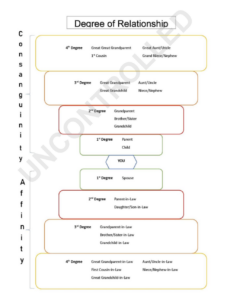
Procurement Directors and Officers must declare relationships with suppliers, including family (up to 4th degree), friendships, partnerships, and similar connections.
Annual declarations are required through the Employee & Supplier Relationship Declaration Form. Employees involved in procurement must disclose any relationships with suppliers.
Employees may abstain from decisions or delegate responsibilities to avoid bias. Exceptions require approval by the Board of Directors.
Failure to declare relationships may result in disqualification of the supplier from procurement activities.
III. Protection of Intellectual Property
The University and suppliers share responsibility for protecting intellectual property and confidential information.
In compliance with the Data Privacy Act, neither party shall disclose sensitive information without consent. Documents must be properly labeled (e.g., “Confidential” or “NDA Required”) to ensure responsible handling.
IV. Communication with Suppliers
All official communications must be responded to within 24 hours.
Communication should use official email addresses, with telephone conversations followed by written confirmation when necessary. This ensures accountability and proper documentation.
V. Principle of Reciprocation
Procurement representatives must exercise professionalism during engagements with suppliers.
Business meetings should reflect mutual respect, including shared responsibility for expenses. Meals should be modest, and expenses must be properly documented.
Venues should reflect professionalism and uphold the integrity of both parties.
VI. Labor Standards, Safety, and Environmental Responsibility
Suppliers are expected to uphold ethical labor practices, including fair wages, reasonable working hours, and safe working conditions.
They must also act responsibly toward the environment by reducing waste and minimizing ecological impact.
These expectations align with Environmental, Social, and Governance (ESG) principles to promote sustainable and ethical partnerships.
VII. Representation from Suppliers
All accredited suppliers must declare and warrant that:
a. They comply with all applicable laws and regulations.
b. They are authorized providers of their products/services.
c. They supply goods of acceptable quality.
d. They have the capacity and resources to fulfill obligations.
e. They will not subcontract without prior written approval.
f. They will not collude with other suppliers in bidding processes.
g. They will maintain high standards of integrity and quality.
VIII. Whistleblower Policy
The University shall provide secure channels for reporting concerns confidentially.
Complaint Officer:
Ms. Gepsy Rose Ammogawen
(074) 442-4915 local 360
complaints@support.ubaguio.edu
Whistleblowers acting in good faith shall be protected from retaliation. All reports will be treated with strict confidentiality.
IX. Accountability and Sanctions
Both suppliers and University personnel are accountable for compliance.
- Supplier violations may result in suspension, contract termination, or disqualification.
- University personnel violations will result in administrative or disciplinary action.
This ensures fairness and accountability on both sides.
X. Acknowledgement and Acceptance
(To be submitted with External Provider Accreditation Form)
This certifies that the supplier has read and agrees to comply with this Code of Conduct.
Company Name:
Owner’s Name:
Complete Address:
Contact Details:
Email Address:
Authorized Representative:
Position:
Signature:
Date Signed:
ADMINISTRATION
Procurement Director and Procurement Officers
Figure 1
Responsible Procurement, Ethics, Environment, and Sustainability
PURPOSE
This policy establishes the University of Baguio’s commitment to ethical, environmentally responsible, and sustainable procurement — guided by ESG principles and aligned with SDG 12: Responsible Consumption and Production. It ensures that all University purchases are evaluated not only for quality and cost-effectiveness, but equally for their environmental impact, ethical integrity, and social consequence — upholding human rights, supporting fair labor, minimizing ecological harm, and advancing a more just and sustainable institution for the benefit of the University community and the broader society it serves. II. SCOPE
This policy is applicable to all food, beverages, and consumables purchased for campus operations, events, and concessions; all consumables and non-consumables used for academic, administrative, and operational purposes; all suppliers, contractors, and service providers engaged by the University; and all stakeholders and personnel involved in procurement and requisitioning.
DEFINITION OF TERMS
- Ethical Sourcing – the practice of ensuring that products are procured responsibly and sustainably; it aligns business growth with environmental responsibility, crucial for procurement officers; and it is a competitive advantage, reducing emissions, enhancing sustainability, and appealing to conscious consumers.
- Sustainable Procurement – a process that integrates environmental, governance, and social factors of corporate responsibility into procurement processes and decision-making, while ensuring they still meet stakeholder requirements. It aims for the lowest environmental impact possible and the most positive social results.
- ESG (Environmental, Social, and Governance) – a framework that helps stakeholders understand how an organization is managing risks and opportunities related to environmental, social, and governance criteria.
3.1 Environmental – refers to an organization’s environmental impact and risk management practices, including direct and indirect greenhouse gas emissions, stewardship over natural resources, and resiliency against physical climate risks such as climate change, flooding, and fires.
3.2 Social – refers to an organization’s relationships with stakeholders, including human capital management metrics such as fair wages and employee engagement, and an organization’s impact on the communities in which it operates.
3.3 Governance – refers to how an organization is led and managed, including how leadership’s incentives are aligned with stakeholder expectations, how shareholder rights are honored, and what internal controls exist to promote transparency and accountability.
- SDG 12. Responsible Consumption and Production – ensures good use of resources, improves energy efficiency and sustainable infrastructure, provides access to basic services, creates green and decent jobs, and ensures a better quality of life for all.
- Local Supplier – a business that operates within the province or region where the University of Baguio is located, contributing to the local economy and community development.
- Biodegradable Packaging – any form of packaging that will naturally disintegrate and decompose.
- Fair Labor Practices – the primary law governing labor standards, which protects workers’ rights to just and humane conditions, promotes fair wages, ensures reasonable working hours, and guarantees benefits such as holiday pay, 13th-month pay, and rest days.
- Food Safety Standards – guidelines and regulations set by the Department of Health (DOH) and Food and Drug Administration (FDA) to ensure that food is safe for human consumption.
- Supply Chain Transparency – the practice of openly sharing accurate information about a company’s supply chain activities, including the origin, sourcing, manufacturing, and distribution of products, to all relevant stakeholders such as customers, investors, and the public.
- University of Baguio Community – refers to students, employees, parents, guardians, faculty, contractual personnel, retirees, applicant students, applicant faculty, applicant staff, researchers, research subjects, patients, clients, customers, alumni, donors, partners, subcontractors, outsources, licensees, and other persons with a juridical link with the university.
- Recyclability – the capacity of a material or product to be collected, processed, and remanufactured into new products after use, assessed based on material composition, end-of-life design, and the availability of local recycling infrastructure.
- Energy Efficiency Rating – a standardized measure of how efficiently a product or equipment converts energy input into useful output, used as a procurement evaluation criterion to reduce the University’s energy consumption and carbon footprint.
- Hazardous Substance – any chemical or material that poses a risk to human health or the environment due to its toxic, flammable, reactive, corrosive, or carcinogenic properties, as classified under DENR regulations and consistent with the Basel Convention and Stockholm Convention as ratified by the Philippines.
- Life Cycle Assessment (LCA) – a systematic analysis of the environmental impact of a product or service throughout its entire life — from raw material extraction, production, and distribution through use, maintenance, and final disposal or recycling — used to inform procurement decisions.
- Extended Producer Responsibility (EPR) – a policy approach under which producers are responsible for the entire lifecycle of their products, particularly for take-back, recycling, and final disposal, as mandated under Philippine law.
- Environmental Performance Score – a composite score used by the Procurement Office during supplier evaluation to measure a supplier’s environmental compliance across recyclability, energy efficiency, hazardous substance management, sustainable raw materials, and environmental certification.
- Carbon Footprint – the total amount of greenhouse gas emissions, expressed in CO₂ equivalent, generated directly or indirectly by the production, transport, use, and disposal of a product or service, used as a sustainability indicator in procurement decision-making.
REFERENCE MATERIALS
Republic Act No. 6969 – Toxic Substances and Hazardous and Nuclear Wastes Control Act of 1990, and its Implementing Rules (DAO 2013-22)
Republic Act No. 9003 – Ecological Solid Waste Management Act of 2000
Republic Act No. 11285 – Energy Efficiency and Conservation Act of 2019 and its IRR EOMR-FO-001 PAGE ISO FORM
Republic Act No. 11898 – Extended Producer Responsibility (EPR) Act of 2022 5. Republic Act No. 9729 – Climate Change Act of 2009, as amended by RA 10174 6. Republic Act No. 8749 – Philippine Clean Air Act of 1999
Republic Act No. 9275 – Philippine Clean Water Act of 2004
DENR Administrative Order No. 2021-19 – Chemical Control Orders and Hazardous Waste Management Regulations
DETAILED POLICIES
The University of Baguio Community
- Shall support the university’s commitment to sustainable and ethical sourcing by making mindful choices when procuring goods or services for university activities.
- Reports any observed non-compliance or ethical concerns related to suppliers.
- Encouraged to prioritize the procurement and consumption of goods that are locally sourced, seasonal, and organically produced to reduce transportation, emissions, and enhance community resilience. Whenever possible, purchases should be accompanied by biodegradable, compostable, or reusable packaging to minimize environmental impact and further support sustainable campus operations.
- Encouraged to choose energy-efficient and low-carbon products for personal and departmental use, and to refrain from requisitioning products that contain hazardous substances or that do not meet the University’s environmental procurement criteria. Any member of the University community who observes the procurement or use of restricted hazardous products shall report such occurrence to the Procurement Office.
The NAKTANAY, Inc.
- Shall ensure that all food and beverages procured by concessionaires meet recognized food safety standards and comply with all applicable health regulations.
- Shall prioritize sourcing from local, seasonal, organic, and fair-trade suppliers among concessionaires.
- Shall maintain documentation of supplier food safety certifications of concessionaires. 4. Shall oversee day-to-day administration and coordination with concessionaires inside the university food courts.
- Shall require all concessionaires to use biodegradable, compostable, or recyclable packaging materials in compliance with EPR regulations and the University’s single-use plastics reduction policy. Documentation of packaging material compliance shall be submitted to the Procurement Office annually.
- Shall ensure that no food or beverage products procured or served by concessionaires contain food additives, coloring agents, or packaging materials classified as hazardous or restricted by the FDA and DOH. Supplier product safety data sheets (SDS) shall be maintained on file for reference.
The CPDO and RMO
1. Shall monitor and ensure sanitation and proper waste management practices of concessionaires.
2. Shall check and ensure compliance of concessionaires with health and safety regulations, including possession and validity of business permits; health certificates of concessionaire personnel.
3. Committed to building a greener campus by adopting resource-efficient designs, conserving energy and water, and choosing materials and practices that help lower the University’s carbon footprint.
4. Shall ensure that all construction, renovation, and infrastructure materials procured meet DENR environmental standards, are free from banned hazardous substances (e.g., asbestos, lead-based paints), and are selected with preference for materials with environmental certifications or high recycled content.
5. Shall monitor campus-wide compliance with the segregation at source and proper disposal of hazardous waste — including electronic waste (e-waste), chemical waste, and used fluorescent lamps — in coordination with the Procurement Office and accredited hazardous waste transporters.
The Procurement Office
- Shall integrate ethical sourcing and Supplier Code of Conduct requirements into procurement procedures, bid documents, and contracts. They shall verify supplier compliance during accreditation and contract renewal.
- Shall conduct yearly supplier performance reviews and audits.
- Shall maintain transparent procurement records and make them available for sustainability reporting.
- Committed to partnering exclusively with suppliers and service providers who uphold human rights, offer fair wages, ensure safe and healthy working conditions, and strictly prohibit forced or child labor. Through these ethical collaborations, the University demonstrates its dedication to safeguarding worker welfare, promoting fair labor standards, and contributing to the creation of a more just and equitable society.
- Committed to maintaining open, fair, and transparent procurement processes. In selecting suppliers, we consider not only cost and quality but also environmental impact, fair labor practices, and the benefits provided to the community. Yearly reviews are conducted to assess compliance, and the results are communicated to stakeholders as part of our ongoing sustainability and governance reporting.
- Shall require all external providers to sign an undertaking pledging to uphold intellectual property rights, conduct business ethically, take anti-corruption measures, and advance sustainability goals as part of the certification requirements.
- Shall be equipped with training related to ethical sourcing to enhance its understanding of sustainable procurement principles and practices.
- Shall carry out awareness campaigns and projects to educate outside suppliers on the value of sustainable procurement and their part in accomplishing sustainability objectives.
- Shall inform external suppliers and the University of Baguio community about the Procurement Policies and Procedures, as well as the sustainable standards, and work with them to find areas for innovation and development.
- Shall embed specific environmental criteria — including recyclability, energy efficiency, raw material sustainability, and hazardous substance avoidance — into all bid documents, technical specifications, and supplier contracts, as prescribed under Section E of this policy. These criteria shall carry mandatory weight in supplier evaluation scoring.
- Shall require all suppliers of energy-consuming equipment and appliances to submit energy efficiency ratings and certifications meeting the standards set by the Department of Energy (DOE). Procurement of equipment that does not meet minimum efficiency standards shall require written justification and approval by the Procurement Director.
- Shall implement and maintain a Supplier Environmental Compliance Registry that documents each accredited supplier’s environmental certifications, hazardous substance declarations, EPR registration, and energy efficiency compliance. This registry shall be updated annually and shall be made available for sustainability and governance reporting.
- Shall apply Life Cycle Assessment (LCA) principles in evaluating high-value or recurring procurement. Total cost of ownership — including environmental compliance, maintenance, and end-of-life disposal costs — shall be computed and considered in bid evaluation, not only the initial purchase price.
- Shall conduct an annual Environmental Procurement Audit to assess: (a) the proportion of purchases meeting environmental criteria; (b) compliance of suppliers with hazardous substance and EPR requirements; (c) progress toward energy efficiency and recyclability targets; and (d) the University’s overall procurement-related carbon footprint. Audit results shall be incorporated into the University’s annual sustainability report.
Environmental Criteria for Acquisitions
In compliance with Philippine environmental laws, the Procurement Office shall apply the following environmental criteria across all categories of acquisitions — including food, consumables, non-consumables, equipment, services, and capital goods:
- RECYCLABILITY CRITERIA. All goods and materials procured shall be evaluated for recyclability and recycled content. Preference shall be given to products made from post-consumer recycled materials or those designed for end-of-life recyclability. Procurement bid documents shall include recyclability specifications for office supplies, IT equipment, furniture, and laboratory materials. Compliance with the Extended Producer Responsibility (EPR) program of suppliers shall be verified during accreditation.
- ENERGY EFFICIENCY IN ACQUISITIONS. All equipment, appliances, and technology assets procured by the University shall meet minimum energy efficiency standards. Procurement specifications shall require energy efficiency ratings or certifications (e.g., ENERGY STAR equivalent, or DOE-certified energy-efficient products). Energy consumption benchmarks shall be included as evaluation criteria in bid documents. Suppliers of energy-consuming equipment shall provide energy performance data as part of accreditation requirements.
- SUSTAINABILITY OF RAW MATERIALS (ALL CATEGORIES). Beyond food and consumables, all procured goods — including furniture, construction materials, laboratory supplies, IT hardware, and printed materials — shall be evaluated for the sustainability of the raw materials used in their manufacture. Preference shall be given to products with certifications such as FSC (Forest Stewardship Council) for timber-based materials, recycled-content certifications, or equivalents. Suppliers shall disclose the origin and environmental status of primary raw materials used in their products.
- AVOIDANCE AND PROPER HANDLING OF HAZARDOUS SUBSTANCES. The Procurement Office shall screen all acquisitions for hazardous substance content prior to procurement. Products containing restricted or banned substances under Philippine law — including but not limited to heavy metals (lead, mercury, cadmium), asbestos, persistent organic pollutants (POPs), and ozone-depleting substances — shall not be procured unless no viable alternative exists and proper safeguards are in place. Suppliers shall be required to submit a Hazardous Substance Declaration Form as part of accreditation. Where hazardous materials are unavoidable, proper handling, storage, and disposal protocols consistent with DENR regulations shall be established and documented before procurement is approved.
- LIFE CYCLE ENVIRONMENTAL IMPACT ASSESSMENT. Procurement decisions shall incorporate life cycle thinking, evaluating the environmental impact of acquired goods and services from raw material extraction through use and end-of-life disposal or recycling. For high-value or recurring procurements (exceeding Php 500,000.00 or as determined by the Procurement Director), a simplified Life Cycle Assessment (LCA) or Environmental Impact Summary shall be required from suppliers. Total cost of ownership, inclusive of environmental compliance and disposal costs, shall be a factor in supplier evaluation.
- ENVIRONMENTAL SCORING IN SUPPLIER ACCREDITATION AND EVALUATION. Supplier evaluation criteria shall include a mandatory Environmental Performance Score comprising, at minimum: (a) recyclability and recycled content of products (20%); (b) energy efficiency rating of goods supplied (20%); (c) hazardous substance-free declaration compliance (20%); (d) sustainable raw material certifications (20%); and (e) supplier’s own environmental management certification or program (20%). Suppliers failing to meet minimum environmental thresholds shall not be accredited. Existing accredited suppliers shall be given a remediation period of one (1) year to comply with these environmental criteria upon policy effectivity.
- ENVIRONMENTAL COMPLIANCE DOCUMENTATION. All suppliers shall submit the following environmental compliance documents as part of the accreditation and contract renewal process: (a) Certificate of compliance with DENR environmental regulations; (b) Hazardous substance content declarations per applicable product category; (c) Energy efficiency certifications for applicable equipment; (d) Extended Producer Responsibility (EPR) registration or equivalent for applicable product categories; and (e) Any applicable environmental management system certification (e.g., ISO 14001). Non-submission of required documents shall be grounds for disqualification.
- CARBON FOOTPRINT REDUCTION IN PROCUREMENT. In support of the University’s commitment to climate action, procurement decisions shall, where feasible, favor suppliers and products with lower carbon footprints. Suppliers are encouraged to disclose greenhouse gas emissions data associated with their products and logistics. The Procurement Office shall annually report the estimated carbon impact of the University’s procurement activities as part of sustainability reporting under the University’s ESG framework.
- PROHIBITION ON SINGLE-USE PLASTICS. In compliance with national regulations on plastic waste reduction, the University shall phase out the procurement of single-use plastics and non-recyclable plastic packaging materials across all procurement categories. Concessionaires and suppliers shall be required to shift to biodegradable, compostable, or reusable alternatives within timelines consistent with applicable DENR regulations and local ordinances. Compliance shall be monitored by the CPDO, RMO, and the Procurement Office.
- ENVIRONMENTAL TRAINING AND CAPACITY BUILDING FOR PROCUREMENT PERSONNEL. The Procurement Office shall ensure that all procurement staff receive training on environmental criteria application, hazardous substance identification, life cycle costing, and regulatory compliance under Philippine environmental law. Training shall be conducted at least once per year and shall include updates on new environmental regulations relevant to procurement practices.
ADMINISTRATION
The Procurement Office shall administer this policy.
Donations and Funding
PURPOSE
This policy establishes the framework governing the solicitation, acceptance, management, and reporting of donations, grants, and external funding received by the University of Baguio (UB). It ensures that all external financial support aligns with the University’s mission, upholds institutional integrity, complies with applicable Philippine laws and regulations, and promotes sustainable academic and research excellence consistent with the international framework for responsible institutional governance.
SCOPE
This policy applies to all schools and offices of the University of Baguio. It covers all forms of external financial contributions, including but not limited to monetary donations, in-kind donations, research grants, endowments, technology transfers, and any other form of institutional funding sourced from individuals, corporations, foundations, government agencies, intergovernmental organizations, and foreign entities.
DEFINITION OF TERMS
- Donation – Any voluntary gift of money, property, equipment, services, or any other resource given to UB by an external party without expectation of a direct commercial return.
- External Funding – Financial resources provided by parties outside UB, including grants from government agencies (e.g., CHED, DOST, NRCP), private corporations, foundations, international organizations, and foreign governments, intended to support research, instruction, community extension, or institutional development.
- Grant – A sum of money provided by a government body, international agency, or private foundation for a specific purpose, subject to terms, conditions, and accountability requirements.
- Donor – Any individual, corporation, institution, foundation, government agency, or organization that provides a donation or grant to UB.
- Endowment – A donation of funds or property in which the principal is preserved and the earnings are used for a specified purpose, such as scholarships, professorial chairs, or research programs.
- In-Kind Donation – Non-monetary contributions, including equipment, laboratory materials, software, books, and other tangible or intangible assets provided to UB.
- Solicitation – The formal and authorized act of requesting, seeking, or approaching individuals, corporations, foundations, government agencies, or other entities for the purpose of obtaining donations, grants, sponsorships, or any form of external funding on behalf of the University of Baguio, in a manner that complies with institutional policies, ethical standards, and applicable laws and regulations.
- Institutional Autonomy – The right of UB to independently determine its educational mission, policies, and academic standards, free from undue external influence, as guaranteed under Republic Act No. 7722 and the Philippine Constitution.
- Conflict of Interest – A situation in which a UB official, faculty member, or employee has a personal, financial, or professional interest that could improperly influence the acceptance or use of a donation or external funding.
- Restricted Fund – A donation or grant that is designated by the donor for a specific use and may not be redirected without the donor’s written consent and compliance with applicable law.
- Unrestricted Fund – A donation given without conditions, allowing UB to allocate the funds according to institutional priorities and needs.
- UB Adopted Beneficiary – A community, school, or organization that has been formally designated as a recipient of sustained UB community engagement support through the execution of a MOA under the University’s Research Innovation Extension and Community Outreach Office.
- Non-Adopted Beneficiary – A community, school, or organization that is not under a formal UB adoption arrangement but has submitted a written request for one-time or project-based funding or donation assistance from UB, subject to evaluation by the RIECO as directed by the OOTP.
IV. REFERENCE MATERIALS
- Commission on Higher Education. (1994). Higher Education Act of the Philippines (Republic Act No. 7722). Republic of the Philippines.
- Congress of the Philippines. (2012). Data Privacy Act of 2012 (Republic Act No. 10173). Republic of the Philippines.
- Congress of the Philippines. (2003). Anti-Money Laundering Act of 2001, as amended (Republic Act No. 9160, as amended by RA 9194 and RA 10365). Republic of the Philippines.
- Congress of the Philippines. (1997). National Internal Revenue Code of the Philippines, as amended (Republic Act No. 8424). Republic of the Philippines.
- Department of Science and Technology. (2022). Revised implementing rules and regulations of the Science for Change Program. DOST.
- International Organization for Standardization. (2018). ISO 21001:2018. Educational organizations management systems: Requirements with guidance for use. ISO.
- Quacquarelli Symonds. (2025). QS Stars rating system methodology. QS Intelligence Unit. https://www.qs.com/qs-stars.
V. DETAILED POLICIES
Policy 1. General Principles
1.1 The University of Baguio shall accept donations and external funding only when such support is consistent with the University’s mission, vision, core values, and strategic development plan, and does not compromise academic freedom, institutional autonomy, or ethical standards as guaranteed under RA 7722 and the 1987 Philippine Constitution.
1.2 All donations and external funding shall be accepted transparently, managed responsibly, and reported publicly in accordance with Philippine law.
1.3 UB through the different schools and offices shall pursue a diversified, sustainable funding strategy that reduces dependence on any single external source and safeguards institutional continuity and financial stability.
1.4 UB shall align its funding acceptance practices with the United Nations Sustainable Development Goals (SDGs), particularly SDG 4 (Quality Education), SDG 17 (Partnerships for the Goals), and SDG 16 (Peace, Justice and Strong Institutions).
Policy 2. Eligibility and Criteria for Acceptance of Donations and Funding
2.1 UB shall accept donations and external funding only from donors or funding agencies that are legally registered and in good standing under Philippine law or their country of origin, as applicable.
2.2 The University shall not accept donations from sources that:
a. Engage in illegal activities, money laundering, terrorism financing, or any activity prohibited under Philippine law, including RA 9160 (Anti-Money Laundering Act) and RA 10168 (Terrorism Financing Prevention and Suppression Act);
b. Seek to impose conditions that compromise the academic freedom, curriculum, research agenda, or governance of the University;
c. Have records of significant violations of human rights, environmental laws, or labor standards as determined by credible national or international bodies;
d. Are listed in the Anti-Money Laundering Council (AMLC) watch lists or international sanctions lists.
2.3 Donations from foreign individuals or entities must comply with RA 7042 (Foreign Investments Act), RA 9160, and any CHED or government guidelines on foreign funding for educational institutions.
2.4 Anonymous donations above One Hundred Thousand Pesos (Php 100,000.00) shall not be accepted unless proper donor due diligence has been conducted.
Policy 3. Sustainability-Based Donor Screening
3.1 General Principle
The University of Baguio (UB) shall adopt a Sustainability-Based Donor Screening framework to ensure that all donations and external funding are sourced from entities whose operations, practices, and values are consistent with the University’s commitment to environmental stewardship, social responsibility, ethical governance, and the United Nations Sustainable Development Goals (SDGs).
3.2 Scope of ESG Evaluation
All prospective donors and funding entities shall undergo evaluation based on the following Environmental, Social, and Governance (ESG) criteria:
a. Environmental (E)
(1) Nature and environmental impact of the donor’s industry and core business activities
(2) Compliance with environmental laws, regulations, and standards in their jurisdiction
(3) Record of environmental violations, penalties, or sanctions
(4) Presence of sustainability initiatives (e.g., carbon reduction, waste management, resource efficiency)
b. Social (S)
(1) Labor practices, including compliance with labor laws, occupational health and safety standards, and fair wage policies
(2) Respect for human rights, including absence of involvement in forced labor, child labor, or exploitative practices
(3) Community engagement and social responsibility programs
(4) Impact of operations on local communities, including indigenous populations
c. Governance (G)
(1) Corporate governance structure and transparency practices
(2) History of legal, regulatory, or ethical violations (e.g., fraud, corruption, anti-competitive conduct)
(3) Compliance with anti-bribery, anti-corruption, and anti-money laundering regulations
(4) Alignment with ethical business practices and responsible conduct
3.3 Donor Risk Classification
Based on the ESG evaluation, donors shall be classified as follows:
(a) Low Risk – Fully compliant with ESG standards; no significant adverse findings
(b) Moderate Risk – Minor or historical issues with evidence of corrective actions
(c) High Risk – Significant ESG concerns, unresolved violations, or ongoing adverse impacts
Donors classified as High Risk shall be subject to enhanced due diligence and may be escalated for review by the University President or Board of Directors.
3.4 Prohibited and Restricted Sources
UB shall not accept donations or funding from entities that:
(1) Are engaged in activities causing significant and ongoing environmental harm without remediation
(2) Have documented and unresolved violations of human rights or labor laws
(3) Are involved in illegal, unethical, or socially harmful industries or practices
(4) Are listed in national or international sanctions or watchlists
3.5 Conditional Acceptance and Exceptions
UB may consider accepting funding from entities with identified ESG risks only under the following conditions:
(1) The funding is explicitly intended for sustainability, remediation, research, or community development initiatives that address the adverse impacts associated with the donor’s industry;
(2) The donor demonstrates a credible commitment to improving ESG performance;
(3) Appropriate safeguards are in place to ensure that acceptance of funding does not imply institutional endorsement of the donor’s practices.
Such cases shall require approval from the University President and, where applicable, the Board of Directors.
3.6 Documentation and Accountability
All ESG evaluations shall be:
(1) Documented through a standardized Donor Sustainability Assessment Form
(2) Maintained by the Accounting Office
(3) Subject to periodic review and audit to ensure consistency and compliance
Policy 4. Solicitation of Donations and Grants
4.1 Only duly authorized UB offices and personnel may solicit donations or external funding on behalf of the University. No individual faculty member, staff, or student organization may independently solicit external funding under the UB name without prior written authorization from the University President.
4.2 The RIECO Office shall maintain a registry of all active funding solicitations and grant applications submitted related to research, innovation, extension, and outreach on behalf of UB.
4.3 Grant proposals submitted to government agencies (e.g., CHED, DOST, NRCP, DA-BAR) shall comply with the procurement and financial management requirements set under RA 9184 (Government Procurement Reform Act) and all relevant agency guidelines.
Policy 5. Acceptance
5.1 All donations and external funding offers must be formally submitted to the Office of the President for assigning of initial review and evaluation by the concerned office prior to acceptance.
5.2 The Accounting Office shall conduct a due diligence review of the donor or funding agency, including verification of legal registration, corporate social responsibility track record, and absence of legal or ethical concerns.
5.3 Donations above One Million Pesos (Php 1,000,000.00) or grants involving institutional commitments, co-branding, or naming rights shall require the approval of the University Board of Directors.
5.4 A Deed of Donation or Memorandum of Agreement (MOA) shall be executed for all accepted donations and grants, specifying the terms, purpose, use restrictions, reporting obligations, and the rights and responsibilities of both parties. Such agreements shall comply with the Civil Code of the Philippines (Book III, Title III on Donations, Articles 725–773).
5.5 In-kind donations shall be officially appraised and acknowledged through a Certificate of Donation. The appraised value shall be recorded in the UB inventory in compliance with the UB accounting policy.
Policy 6. Management and Utilization of Funds
6.1 All accepted donations and external funding shall be deposited in a designated UB institutional bank account and shall be accounted for separately from regular tuition-based revenue.
6.2 Restricted funds shall be used strictly for purposes specified by the donor. Any proposed modification in use must be submitted in writing by the concerned office to the donor for prior written consent, and must comply with Philippine law.
6.3 Unrestricted funds shall be allocated by the Accounting Office in coordination with the concerned office, prioritizing research development, faculty capacity building, library resources, community extension programs in the Cordillera Administrative Region (CAR), and infrastructure improvement.
6.4 All fund disbursements from donated and externally funded accounts shall follow the standard University financial management procedures.
6.5 Endowment funds shall be managed in accordance with a UB Endowment Management Plan approved by the Board of Directors, ensuring long-term financial sustainability and protection of donor intent.
Policy 7. Conflict of Interest and Ethical Safeguards
7.1 All UB administrators, faculty, and staff involved in the solicitation, evaluation, or management of donations and external funding must declare any actual, potential, or perceived conflict of interest prior to engaging in such activities.
7.2 Persons with a declared conflict of interest shall be recused from decision-making processes involving the relevant donation or funding source.
7.3 UB shall not allow donor recognition, naming rights, or preferential treatment in admissions, procurement, employment, or research output in exchange for donations, in accordance with CHED and institutional ethical standards.
7.4 Naming rights for university facilities or programs funded by donations may be granted by the President for significant contributions, provided that such recognition does not imply institutional endorsement of the donor’s business or advocacy activities.
Policy 8. Transparency, Reporting, and Accountability
8.1 The Accounting Office shall maintain a publicly accessible Donations and Funding Registry that includes the donor’s name (except for anonymous donations), amount or estimated value, purpose, date of receipt, and utilization status, consistent with RA 10173 (Data Privacy Act) and principles of institutional transparency.
8.2 An annual Sustainability Report on Donations and Funding shall be prepared by the Accounting Office and submitted to the University President, and published on the UB institutional website. This report shall be aligned with sustainability reporting standards and shall include a summary of funding sources, utilization, impact, and compliance status.
8.3 All grants received from CHED, DOST, or other national government agencies shall be reported and audited in accordance with the requirements of the funding agency and relevant COA guidelines.
8.4 Donors shall receive a formal acknowledgment letter. Donors who provide restricted funds shall receive a final utilization report upon project completion.
Policy 9. Tax Treatment and Legal Compliance
9.1 UB shall ensure that all donations are properly documented for donor tax deduction purposes, where applicable, under Section 34(H) of the National Internal Revenue Code (NIRC), as amended by TRAIN Law (RA 10963).
9.2 Donations in excess of applicable thresholds are subject to the donor’s tax under applicable BIR Revenue Regulations, and UB shall not assume such tax obligations on behalf of the donor unless expressly agreed upon in writing.
9.3 UB shall ensure that all donated or funded income is used solely for institutional purposes and does not benefit any private individual, consistent with constitutional and statutory requirements.
Policy 10. Sustainability
10.1 UB shall prioritize donations and external funding that support sustainable programs in research and innovation, community development, environmental stewardship, and indigenous peoples’ welfare in the Cordillera Administrative Region, consistent with the UN SDGs.
10.2 The Accounting Office shall maintain a Sustainability Funding Portfolio that tracks the alignment of all donations and grants with the University’s sustainability goals, including but not limited to environment, employability, teaching, and community engagement.
10.3 UB shall pursue industry-academic partnerships for research funding in accordance with CHED CMO guidelines on industry linkages, ensuring that corporate partnerships do not unduly influence academic research outcomes or curriculum content.
Policy 11. Violations and Sanctions
11.1 Any UB personnel found to have solicited or accepted donations or external funding in violation of this policy shall be subject to administrative proceedings under existing university policies, applicable laws, including RA 3019 (Anti-Graft and Corrupt Practices Act) where applicable to government-funded transactions.
11.2 Misuse or misappropriation of donated or externally funded resources shall be reported to the appropriate authorities and shall be subject to administrative proceedings under existing university policies.
11.3 UB retains the right to return any donation found to violate this policy, Philippine law, or ethical standards, and to terminate associated MOAs or funding agreements.
Policy 12. Outgoing Donations and Funding to UB-Adopted Communities, Schools, and Organizations
12.1 The University of Baguio recognizes its social responsibility to communities, schools, and organizations that it has formally adopted through RIECO or the different schools or offices with adopted schools, organizations, or communities. Accordingly, UB shall allocate a portion of its available institutional resources, including funds, materials, equipment, technical expertise, and other forms of support, to its adopted beneficiaries as part of its sustainable community engagement commitment aligned with the university’s three-year development plan.
12.2 A community, school, or organization shall be formally classified as a UB Adopted Beneficiary upon execution of a Memorandum of Agreement (MOA) between UB and the beneficiary entity, duly signed by the UB President or authorized representative, and duly approved by the President. The MOA shall specify the nature, scope, duration, and accountability mechanisms of the adoption arrangement.
12.3 Funding and donations for adopted beneficiaries shall be sourced from the following designated funding streams:
a. The UB Community Extension and Outreach Fund, which shall be allocated annually in the University’s operating budget;
b. Unrestricted donations received by UB that the Board of Directors designates for community outreach purposes;
c. Grants from external agencies (e.g., CHED, DOST, local government units) specifically awarded for community development or extension programs;
d. In-kind contributions from UB faculty, staff, students, and alumni mobilized through recognized organized outreach activities; and
e. Fundraising activities primarily organized by the RIECO Office and other offices.
12.4 All outgoing donations and funding releases to adopted beneficiaries shall be covered by a Deed of Release of Donation or Funding Disbursement Authorization endorsed by the VP Finance and duly approved by the President, specifying the purpose, amount or estimated value, and intended use of the contribution.
12.5 Adopted beneficiaries shall submit a Utilization Report using the UB utilization report form to the RIECO Office within thirty (30) days after the conclusion of the funded activity or program. The RIECO Office shall conduct a post-activity monitoring and evaluation of all outgoing donations to ensure proper use, sustainable impact, and alignment with the University’s three-year Development Plan.
12.6 Priority areas for outgoing donations and funding to adopted beneficiaries shall include, but are not limited to:
a. Educational materials, library resources, and instructional equipment for adopted schools;
b. Livelihood, skills training, and technology transfer programs for adopted communities;
c. Capacity-building support for adopted organizations, particularly indigenous peoples’ organizations and grassroots civil society groups in the Cordillera Administrative Region; and
d. Health, environmental, and disaster risk reduction programs consistent with the UB-adopted community’s development plan.
12.7 The continuation of the adoption relationship and the associated funding support shall be reviewed annually by the RIECO Office based on the performance, compliance, and impact assessment of the adopted beneficiary. Failure to submit required utilization reports or evidence of misuse of UB-provided resources shall be grounds for suspension or termination of the adoption arrangement.
Policy 13. Requests for Funding or Donations from Non-Adopted Communities, Schools, and Organizations
13.1 The University of Baguio acknowledges that communities, schools, and organizations not formally under its adoption program may, from time to time, seek financial assistance, in-kind donations, or technical support from UB. Such requests shall be given due consideration in the spirit of UB’s commitment to inclusive community service and social responsibility, subject to the conditions set forth in this policy.
13.2 All requests for funding or donations from non-adopted beneficiaries shall be submitted in writing to the RIECO Office, accompanied by the following documents:
a. A formal letter of request addressed to the UB President, stating the purpose, target beneficiaries, and nature of the assistance requested;
b. Proof of legal existence or registration of the requesting entity (e.g., SEC registration, Barangay certification, DSWD accreditation, DepEd or CHED recognition, as applicable);
c. A brief project or activity description indicating how the requested support will be used; and
d. A commitment letter signed by the head of the requesting organization to submit a utilization report or acknowledgment receipt upon release of assistance.
13.3 The RIECO Office shall evaluate each request based on the following criteria, weighted equally in the assessment:
a. Alignment with UB’s mission, vision, and community engagement goals;
b. Need and urgency of the requesting community, school, or organization, especially those serving vulnerable, marginalized, or indigenous populations;
c. Availability of UB resources and the capacity of the institution to provide the requested support without prejudicing its primary educational mandate; and
d. Potential for the engagement to develop into a formal adoption or long-term partnership relationship.
13.4 Requests involving monetary assistance shall require the approval of the University President. Requests for in-kind donations or technical assistance may be approved by the RIECO Director, subject to available institutional resources and budget limitations.
13.5 The RIECO Office shall process and communicate the decision on a request within seven (7) working days from receipt of complete documentary requirements. All approved requests shall be documented through a formal reply letter, and denied requests shall be communicated in writing with reasons stated, in keeping with principles of due process and institutional courtesy.
13.6 Approved assistance to non-adopted beneficiaries shall be treated as one-time or project-based support and shall not automatically create an ongoing obligation on the part of UB to provide further assistance, unless a separate adoption arrangement or MOA is subsequently entered into.
13.7 The Accounting Office shall maintain a Non-Adopted Beneficiary Assistance Registry recording all requests received, the evaluation outcome, the nature and value of assistance provided, and the post-assistance utilization reports submitted. This registry shall be included in the annual Sustainability Report on Donations and Funding and shall be posted on UB ACCESS.
13.8 In cases of calamity, disaster, or emergency affecting communities, schools, or organizations within the University’s service area, the UB President, upon recommendation of the RIECO Director, may authorize immediate one-time emergency assistance without the prior submission of complete documentary requirements, provided that the required documents are submitted within thirty (30) days after the emergency release.
ADMINISTRATION
The Accounting Office shall administer this policy.
This policy establishes the framework governing the selection, management, monitoring, and reporting of investments of the University of Baguio (UB), ensuring that all investment activities:
• Align with the University’s Environmental, Social, and Governance (ESG) commitments
• Support long-term financial sustainability
• Promote responsible and ethical investment practices
• Contribute to environmental protection, community development, and institutional integrity, and
• Provides measurable contribution to SDG outcomes
SCOPE
This policy applies to:
• All financial investments of the University, including:
o Cash reserves and treasury placements
o Endowment funds
o Investment portfolios and financial instruments
• All offices involved in financial decision-making, including:
o Office of the Vice President for Finance
o Accounting Office
o Treasury and Investment Units
DEFINITION OF TERMS
- Sustainable Investment – Investment decisions that integrate ESG factors alongside financial returns.
- Fossil Fuel Investments – Investments in companies involved in the extraction, production, or distribution of coal, oil, and gas.
- ESG (Environmental, Social, Governance) – A framework used to evaluate the sustainability and ethical impact of investments.
- Impact Investment – Investments made with the intention to generate positive, measurable social and environmental impact.
- Green Investment – Investment in projects or companies that support environmental sustainability.
- Unsustainable Investments – Investments that significantly harm the environment, society, or violate governance standards.
- SDG (Sustainable Development Goals) – A set of 17 global goals adopted by the United Nations to address poverty, inequality, environmental protection, and sustainable development by 2030. These serve as a framework for aligning institutional strategies, including investments, with global sustainability priorities.
REFERENCE MATERIALS
• Republic Act No. 7722
Establishes institutional autonomy and governance of higher education institutions.
• Republic Act No. 8424, as amended by TRAIN Law (RA 10963)
Governs taxation, including treatment of investment income and donor-related transactions.
• Republic Act No. 10173
Ensures proper handling of financial, investor, and stakeholder data.
• Republic Act No. 8799
Governs investment instruments, securities, and market conduct.
• Bangko Sentral ng Pilipinas Regulations
Includes guidelines on treasury placements, risk management, and financial instruments.
• Anti-Money Laundering Act (RA 9160), as amended
Provides safeguards on financial transactions and investment counterparties.
• United Nations Principles for Responsible Investment (UN PRI)
Global benchmark for integrating ESG factors into investment decisions.
• ISO 21001:2018
Ensures alignment of financial decisions with educational mission and stakeholder value.
• Commission on Higher Education Policies and Memorandum Orders
Includes guidance on governance, financial sustainability, and community engagement.
• QS Stars Rating System Methodology
Provides criteria for sustainability, governance, and responsible investment practices.
DETAILED POLICIES
Policy 1. General Principles
1.1 The University shall ensure that all investments align with its mission, ESG commitments, and institutional values.
1.2 Investment decisions shall balance:
• Financial returns
• Risk management
• Environmental and social responsibility
1.3 The University shall adopt a long-term, sustainability-driven investment strategy.
1.4 Investments shall not compromise academic independence, institutional autonomy, or ethical standards.
Policy 2. Environmental Sustainability in Investments (SDG 13)
2.1 Environmental Commitment
The University shall prioritize investments that support:
• Environmental protection
• Resource efficiency
• Climate resilience
• Renewable energy
• Green buildings
• Waste management technologies
2.2 Fossil Fuel Divestment
The University shall:
a. Prohibit new investments in:
• Coal mining and coal-based energy
• Oil and gas exploration
• High carbon-emitting industries
2.3 Phase-Out of Unsustainable Investments
Investments shall be withdrawn from entities that:
• Violate environmental laws
• Contribute to pollution or ecological harm
• Fail sustainability benchmarks
2.4 Green Investment Allocation
UB shall prioritize investments in:
• Renewable energy
• Energy-efficient technologies
• Sustainable infrastructure
Policy 3. Socially Responsible Investments (SDG 4, SDG 17)
3.1 Social Commitment
Investment strategies shall promote:
• Inclusive growth
• Equity and fair opportunities
• Community development
3.2 Local Community Investments
The University shall prioritize investments that:
• Support local enterprises in Baguio and CAR
• Promote employment and innovation
• Strengthen community partnerships
3.3 Impact Investments
Eligible investments include:
• Social enterprises
• Education and research initiatives
• Health and environmental programs
3.4 Institutional Integration
Investments shall support:
• Extension programs
• Research initiatives
• Student engagement and development
Policy 4. Governance and Investment Oversight (SDG 16)
4.1 Governance Principles
All investments shall adhere to:
• Transparency
• Accountability
• Compliance with applicable laws
4.2 Investment Oversight Committee
An Investment Committee shall:
• Approve investment strategies
• Monitor ESG compliance
• Review portfolio performance
4.3 ESG Screening
All investments shall undergo:
• ESG evaluation
• Legal and regulatory review
• Financial risk assessment
Policy 5. Sustainable Investment Allocation
5.1 The University shall allocate a minimum of:
• 20%–30% of investable funds to ESG-compliant investments within five (5) years
5.2 The allocation shall progressively increase based on:
• Market conditions
• Institutional priorities
• Risk tolerance
Policy 6. Risk Management
6.1 The University shall integrate ESG risks into financial risk management, including:
• Climate risk
• Regulatory risk
• Reputational risk
6.2 Investments with high ESG risk shall:
• Undergo enhanced review
• Be subject to divestment consideration
Policy 7. Transparency, Reporting, and Accountability
7.1 The Accounting Office shall maintain a Sustainable Investment Registry.
7.2 An Annual Sustainable Investment Report shall include:
• ESG allocation
• Divestment progress
• Community impact
7.3 Reports shall be disclosed to stakeholders consistent with institutional transparency policies.
Policy 8. Compliance and Legal Framework
8.1 All investments shall comply with:
• Philippine laws and regulations
• Institutional policies
• International sustainability standards
8.2 Investment activities shall not:
• Violate ethical standards
• Support illegal or harmful industries
Policy 9. Continuous Improvement
The University shall periodically review this policy to ensure:
• Alignment with ESG standards
• Responsiveness to regulatory changes
• Continuous improvement
ADMINISTRATION
This policy shall be administered by:
• Office of the Vice President for Finance
• Treasury/Investment Unit (BOD)
Educational Organizational Management Systems Policy
The University of Baguio is dedicated to fostering a dynamic learning environment that transcends geographical boundaries while upholding the highest international standards.
Mission and Vision Support
We are dedicated to supporting the educational organization’s mission and vision through our commitment to fun learning across and beyond borders.
Contextual Appropriateness
Our educational practices are tailored to the unique purpose and context of our organization, ensuring relevance and effectiveness.
Framework for Objectives
We establish a comprehensive framework for setting educational objectives that are aligned with our mission, vision, and the needs of our stakeholders.
Commitment to Compliance
We are committed to satisfying all applicable legal, regulatory, and other requirements relevant to our educational operations.
Continuous Improvement
We pledge to continually improve our Educational Organization Management System to enhance the quality of education and services we provide.
Integration of Developments
Our practices evolve in response to relevant educational, scientific, and technical advancements, ensuring our programs remain at the forefront of innovation.
Social Responsibility
We recognize our responsibility to society and are committed to integrating socially responsible practices into all aspects of our educational operations.
Continuous Improvement
We acknowledge the importance of managing intellectual property ethically and responsibly, fostering innovation and protecting the rights of creators within our academic community.
Integration of Developments
We actively engage with and consider the needs and expectations of all relevant stakeholders, including students, faculty, staff, alumni, employers, and the wider community, in shaping our educational programs and services.